David Reed · 7 September 2026
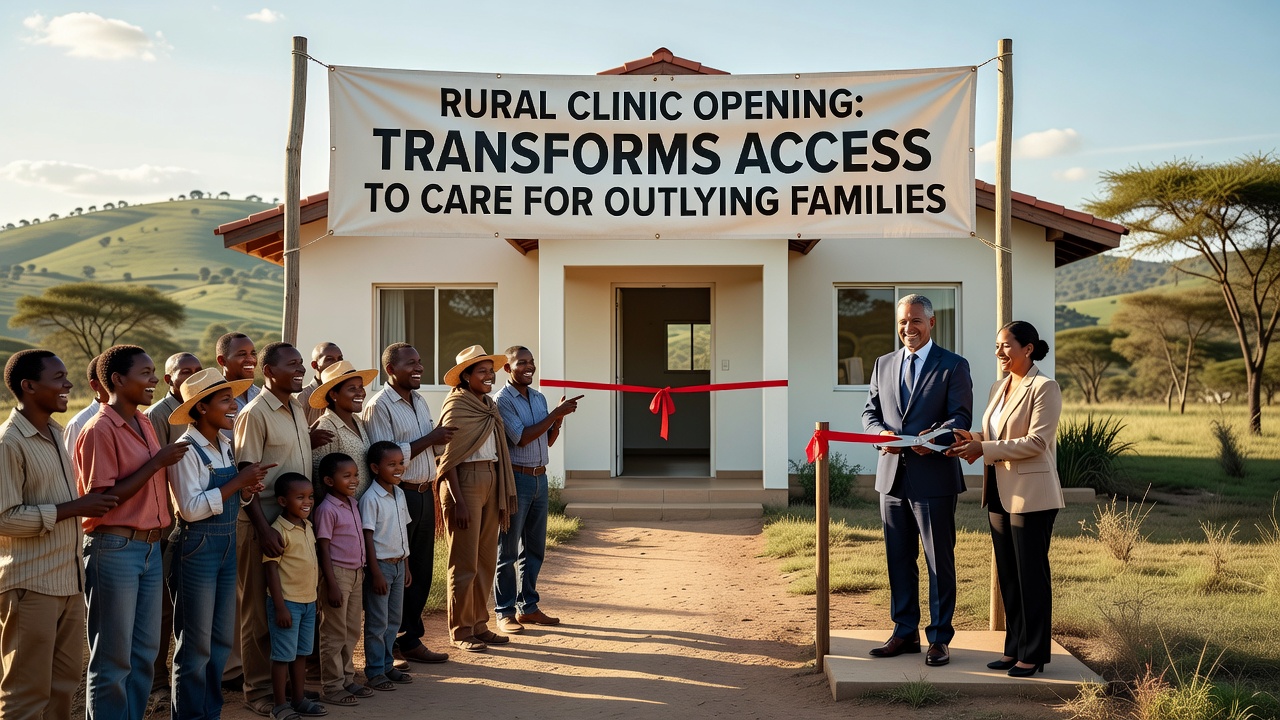
Rural Clinic Opening Transforms Access to Care for Outlying Families
The new facility in Creamvale opened its doors in September 2026 and immediately began serving households scattered across remote stretches of the region, where travel times to medical services had previously stretched into hours. Data from regional health records shows that families living beyond the main town limits often skipped routine checkups because distances exceeded 60 kilometers on average, while emergency responses lagged due to unpaved roads and limited transport options. The clinic provides primary care, basic diagnostics, and maternal health services on site, with staff rotating from larger hospitals to maintain consistent coverage throughout the week. Construction of the single-story building incorporated modular designs that allowed completion within nine months, and local officials coordinated with transport services to add two weekly shuttle routes connecting outlying farms directly to the entrance.Previous Barriers to Healthcare in Remote Areas
Observers note that before the opening, residents in the surrounding valleys relied on mobile vans that operated only twice monthly, leaving gaps during harvest seasons when farmworkers could not leave their fields. Studies compiled by the Australian Institute of Health and Welfare indicate that rural populations face 30 percent higher rates of delayed diagnoses compared with urban counterparts, largely because follow-up visits require repeated long drives. Those patterns held true here until the permanent structure replaced temporary setups.
Take one farming family located 45 kilometers southeast of town whose youngest member required regular asthma monitoring; before September 2026 they logged over 200 kilometers monthly just for prescriptions and check-ins, often missing school days in the process. The clinic now stocks the same medications and offers same-day appointments, cutting that distance to under 10 kilometers one way.
Services Introduced and Operational Details
Inside the building, examination rooms sit alongside a small laboratory equipped for blood work and basic imaging, while a telehealth suite connects patients to specialists in the capital city during off-peak hours. Staff includes two full-time nurses, a general practitioner, and a rotating pediatrician who visits three days each week. Operating hours run from 8 a.m. to 6 p.m. weekdays, with an on-call line available evenings for urgent concerns that can be triaged before any transfer.
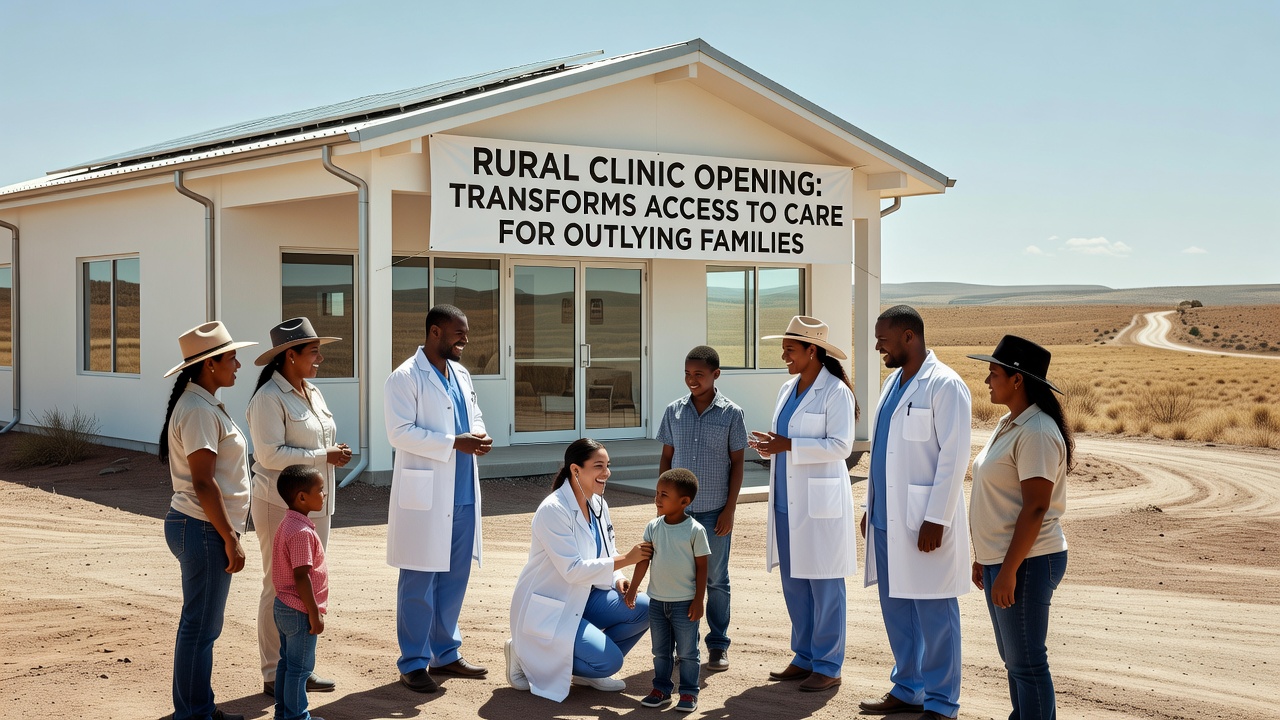
Equipment arrived through partnerships with regional suppliers, and training sessions for local volunteers covered basic administrative tasks so the professional team focuses on clinical work. Records show the first month saw 312 patient visits, a figure that climbed steadily as word spread through community networks. Figures from the regional health authority reveal that appointment adherence rates reached 87 percent within the initial quarter, compared with 54 percent for the previous mobile service.
Measured Effects on Daily Life for Outlying Households
School attendance data collected by the district education office shows fewer absences among children from clinic-adjacent zones, since parents no longer need full-day trips for minor ailments. Similarly, workplace records from several large farms indicate reduced lost hours because workers can schedule visits during lunch breaks rather than traveling the full distance. One study released by Health Canada on rural access models noted that fixed clinics located within 20 kilometers of target populations produce measurable drops in preventable hospitalizations, and early indicators here align with those findings.
Yet challenges remain around after-hours coverage and specialist referrals that still require travel; the clinic has begun piloting a shared ambulance service with neighboring districts to address gaps. Community feedback sessions held monthly allow residents to suggest adjustments, such as extended hours during planting season, and those notes feed directly into scheduling changes.
Looking Ahead
Expansion plans include adding dental services by late 2027 and a small pharmacy counter stocked with common prescriptions, both funded through a mix of state grants and local fundraising. Monitoring continues through quarterly reports submitted to the regional health authority, which tracks metrics like wait times, patient volume, and follow-up completion rates. Those reports will determine whether additional satellite locations open in adjacent valleys.
Conclusion
teh September 2026 opening established a stable point of care where none existed before, and ongoing data collection will show whether similar models can scale to other remote districts. Local families now manage health needs with shorter journeys and more predictable schedules, while the clinic integrates with existing transport and education systems to support daily routines across the area.