David Reed · 2 November 2026
Local Celebrations Spotlight Harvest Achievements Through Artistic Displays and Educational Programs
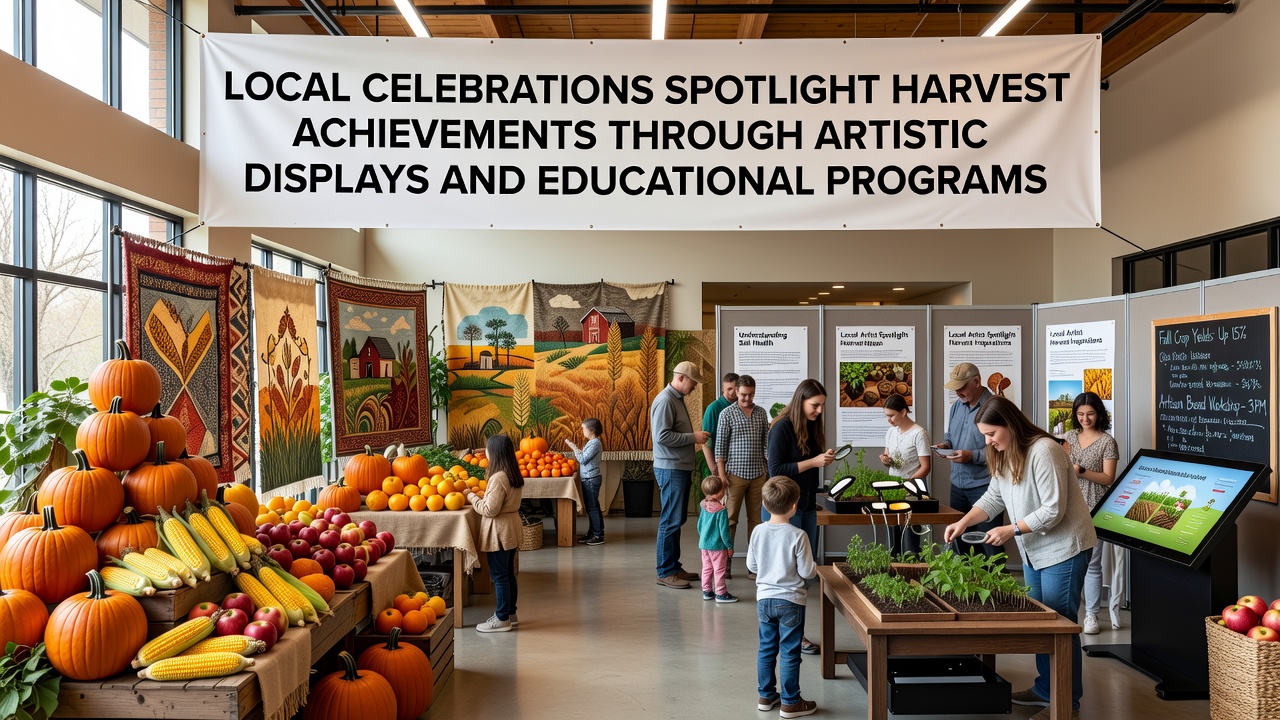
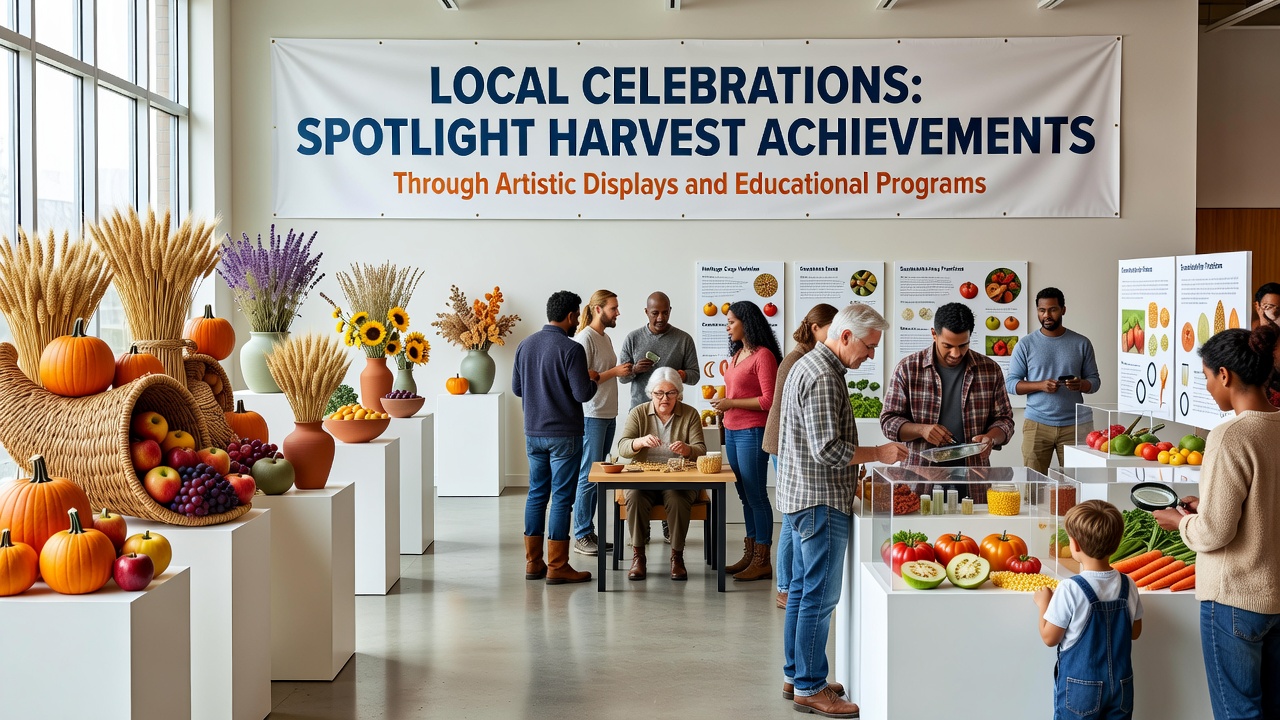
Communities across several regions organized events in November 2026 that combined artistic installations with structured educational sessions to highlight harvest outcomes from the preceding season, and these gatherings drew participation from local farmers alongside students and artists who collaborated on visual representations of crop data and farming techniques. Organizers coordinated displays that incorporated sculptures made from harvested materials, murals depicting field patterns, and interactive stations where attendees examined soil samples and yield statistics, while the programs ran alongside workshops on topics such as crop rotation methods and water conservation strategies that researchers from regional universities had documented in recent reports.
Artistic Interpretations of Agricultural Data
Exhibits featured works by local artists who translated harvest figures into visual formats, and one installation used color-coded panels to show variations in grain production across different plots, which allowed visitors to compare results from conventional and experimental growing approaches that agricultural extension services had tracked throughout the year. Schools contributed student-created pieces that illustrated lessons on plant biology, and these elements appeared in town squares where foot traffic increased during the multi-day events, according to attendance logs maintained by municipal offices.
Participants examined pieces that incorporated actual produce arranged in geometric patterns, and such arrangements served both decorative and instructional purposes because they demonstrated principles of symmetry and proportion that mathematics educators later referenced in follow-up classroom activities. Data from the previous harvest cycle informed many of these designs, which meant artists consulted records from county extension agents before finalizing their concepts, and this collaboration ensured accuracy in the portrayed statistics.
Educational Components Integrated into Festival Programming
Workshops covered subjects including seed selection processes and pest management practices, and instructors presented findings from field trials that had concluded earlier in 2026, while attendees received printed materials summarizing key metrics such as average bushels per acre for various grain types. Young people joined guided tours of demonstration gardens that showcased companion planting arrangements, and these tours concluded with discussions on how such methods affected overall output based on measurements collected by volunteer monitoring teams.
Local libraries supplied supplementary reading lists that tied into the festival themes, and these resources included studies on climate influences on growing seasons that had been compiled by international research groups. One session focused on mapping software used to record harvest boundaries, and participants practiced entering sample data points that mirrored real submissions from area producers.
Community Involvement and Resource Sharing
Farmers supplied samples and firsthand accounts that enriched the presentations, and this input helped align the artistic and educational elements with conditions observed on working lands during the most recent growing period. Volunteers from civic groups handled logistics such as setup of display areas and coordination of session schedules, which contributed to smooth operations across the venues that operated from morning through evening hours.
Regional agencies provided informational pamphlets that detailed support programs available to producers, and these documents referenced guidelines from sources including the United States Department of Agriculture on best practices for record keeping. Attendance figures indicated steady interest from families and professional growers alike, with repeat visits noted at several sites that extended their hours to accommodate demand.
Connections to Broader Agricultural Trends
Presenters referenced yield improvements documented in studies from agricultural research stations, and they connected these trends to techniques featured in the educational segments such as integrated pest management approaches that reduced reliance on certain inputs. Artists incorporated elements from these discussions into subsequent works, which created a feedback loop between the visual displays and the learning activities that continued after the main events concluded.
Similar formats appeared in neighboring districts where planners adapted the model to local crop profiles, and shared resources like modular exhibit panels allowed for efficient reuse across multiple locations. Records from the November 2026 series showed consistent themes around sustainability metrics that aligned with reports issued by bodies such as Agriculture and Agri-Food Canada on regional output patterns.
Conclusion
Events of this type established patterns for future programming that merged creative expression with knowledge transfer on harvest results, and the structure supported ongoing dialogue among producers, educators, and artists who exchanged insights on methods that had influenced the season's outcomes. Participation data and material reuse rates provided measurable indicators of the approach's reach, while the integration of verified statistics into public displays offered accessible entry points for wider audiences interested in agricultural developments.